Growth, demand, spending, employment, development pattern, and concept fit.
← Signal Services menu
03 · SITE SELECTION STUDY
Which site gives the concept its best chance?
Market selection down to the individual parcel—every layer between modeled, compared, and underwritten before the competition sees the same opportunity.
Book a scope call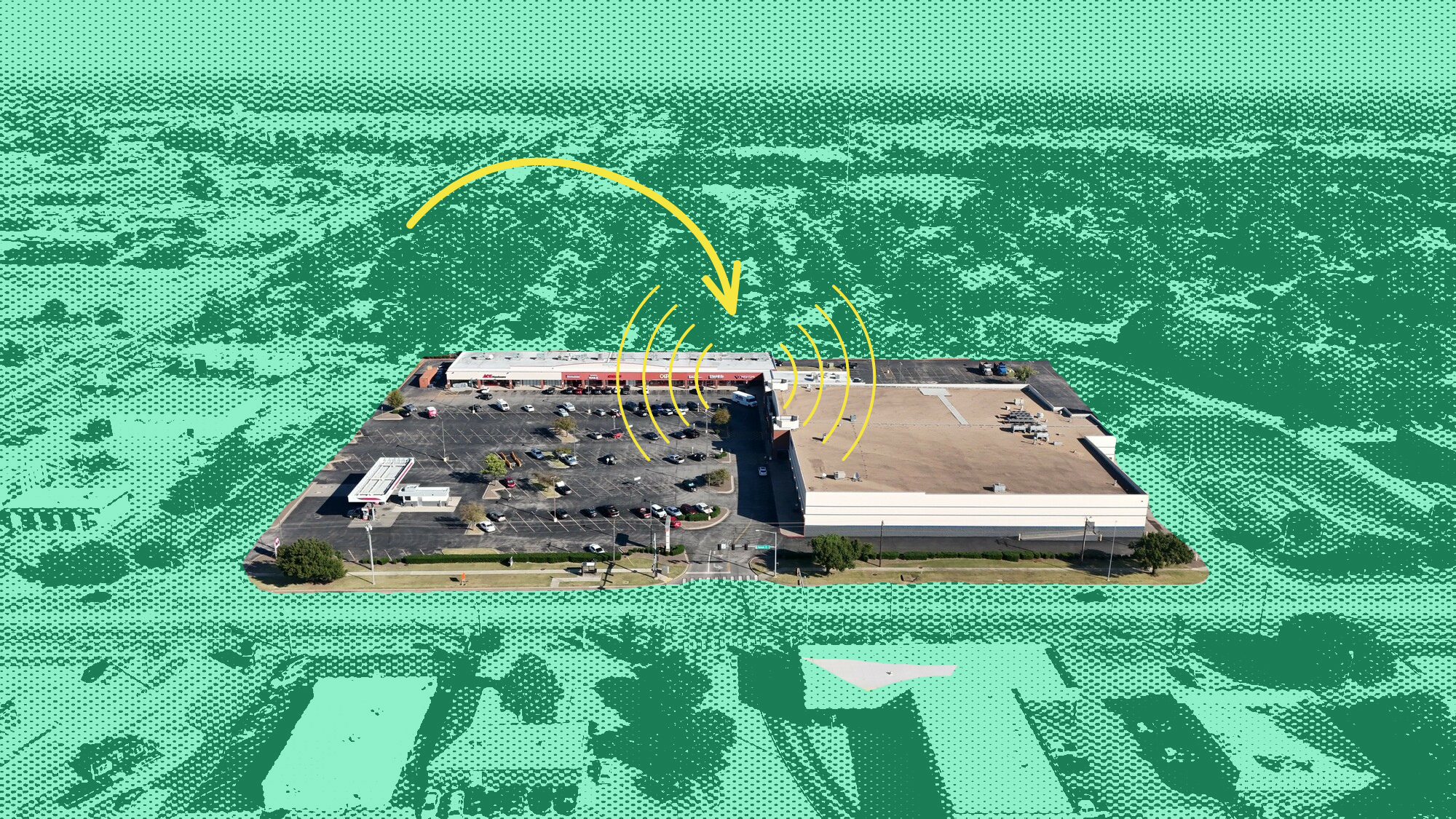
BIG TO SMALLMarket signal. Site decision.
THE SITE IS THE LAST DECISION
Start with where the concept belongs. End with the parcel that can actually support it.
A good corner in the wrong market is still the wrong site. The study narrows from regional opportunity to submarket behavior, trade-area demand, corridor dynamics, competitive gaps, and finally parcel-level economics.
THE NARROWING
Every layer earns the next one.
Competitive supply, demographic movement, rents, absorption, and momentum.
Drive-time population, daytime demand, leakage, anchors, barriers, and overlap.
Traffic, access, adjacency, co-tenancy, planned projects, and customer paths.
Size, geometry, ownership, basis, zoning, utilities, access, visibility, and cost.
THE DATA BETWEEN THE SCALES
A parcel does not compete alone.
Each candidate is measured inside the market system around it. That means the model can explain not only which site ranks first, but why—and what could cause the ranking to change.
DemandGrowthTrafficLeakageCompetitionPipelineOwnershipZoningAccessVisibilityBasisRentCo-tenancyDrive timeDevelopment cost
MODELED + UNDERWRITTEN
Ranking is not enough. The winner has to work.
FACTORSITE ASITE BSITE C
Market capture927884
Competitive gap888169
Access + visibility769482
Site economics917086
RANK010302
THE ADVANTAGE
What you need to know before your competition does.
01Where to lookBefore the shortlist becomes obvious.
02What to avoidBefore a promising site consumes time and leverage.
03What to payBefore the opportunity is priced like everyone sees it.
04What could changeBefore the market signal becomes common knowledge.
BEST FIT
Use this when choosing the geography is part of choosing the property.
Retail and restaurant expansion
Industrial and logistics
Multifamily development
Office and service locations
Market-entry strategy
START WITH THE CONCEPT